
From the sales conversation to company leadership. Tailored development for teams and managers. Experience since 2001, multinational clients and a specialisation in pharmaceutical companies.
We understand your sector
Development for pharmaceutical companies, grounded in practice
Our consultants’ first-hand experience of working in pharmaceutical companies helps us identify team needs in their specific context. This enables us to design development programmes that reflect field work, managers’ responsibilities and the requirements of senior management.
Development for pharmaceutical companies at ED Development involves developing sales teams, managers and ways of working that connect strategy with everyday practice.
We tailor the content to who your people communicate with, what they are responsible for and what they need to change. A conversation in a doctor’s practice takes place under different conditions from a negotiation with a network of medical practices or a hospital. Preparation, the types of questions asked and the roles of the parties involved all differ. When designing a programme, we therefore consider the product focus, scientific information, sales model and approach to team leadership. We also draw on experience from projects for companies working in medical nutrition.
-
Management experience since 1993
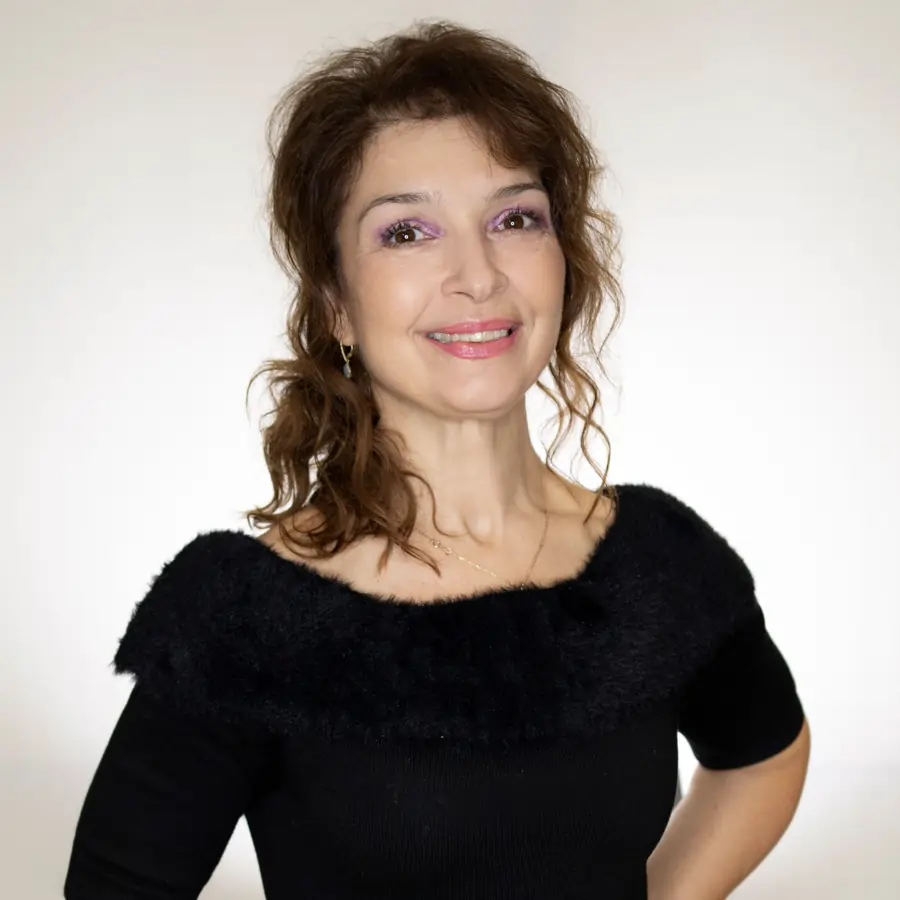
Elena Demeková
Elena Demeková worked in sales and marketing at pharmaceutical companies. In her work with clients, she combines management and leadership experience since 1993 with consulting experience since 2001. She focuses on sales team and senior leadership development, strategic account management, systemic coaching and organisational change.
Elena Demeková’s profile -

From representative to leader
Lucia Ferancová
Lucia Ferancová gained more than ten years’ experience at a pharmaceutical company. She held roles as a representative, Key Account Manager, Sales Manager and Medical Field Force Manager. She therefore understands both the work of individual representatives with customers and what managers need to lead and develop a sales team.
Lucia Ferancová’s profile
How we work
How a tailored development programme works
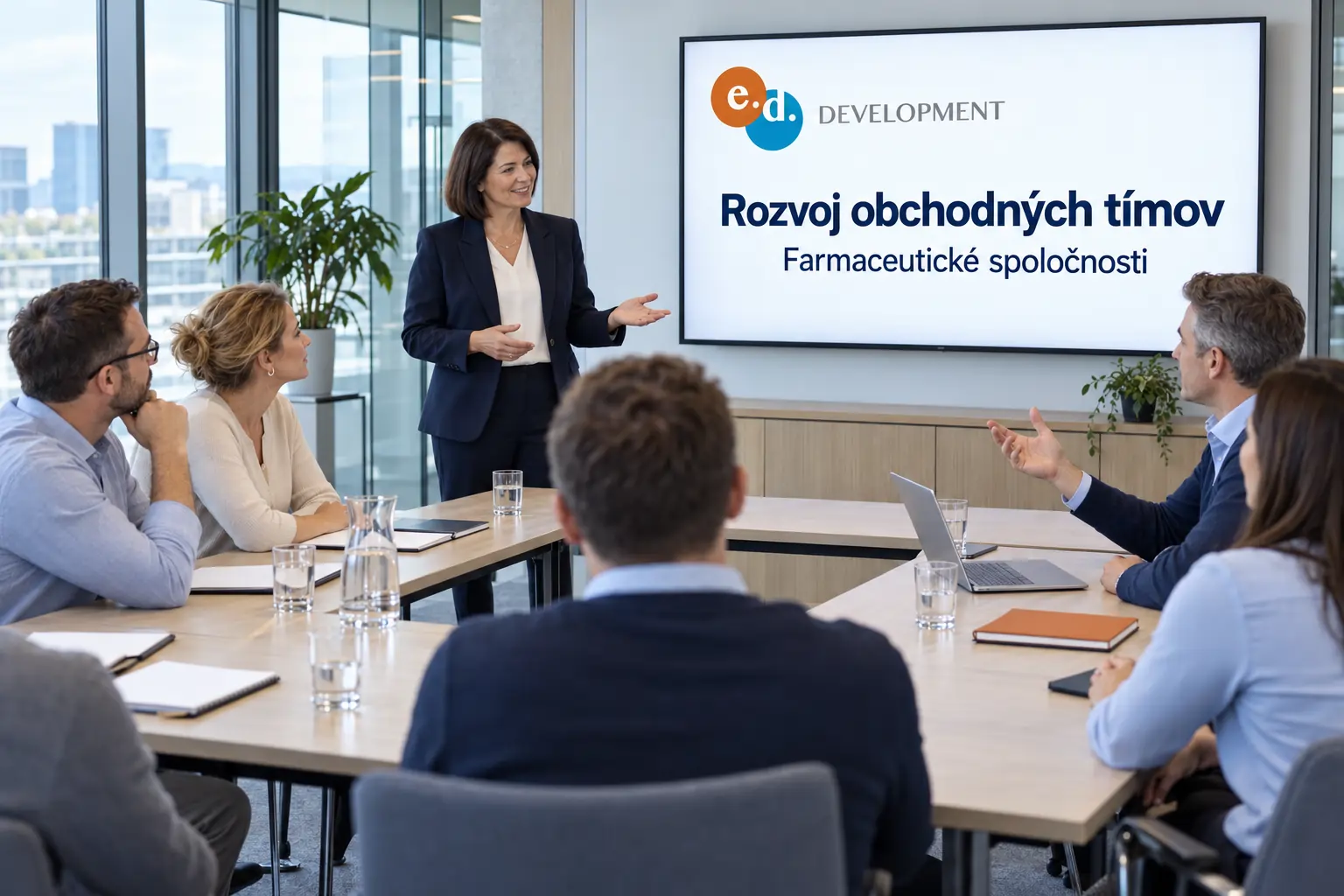
A development programme begins by identifying needs and progresses to applying new approaches at work. From the outset, we agree who will take part, what they need to do differently and how we will assess the change.
-
Training needs analysis
We identify where the team needs support through interviews and, depending on the brief, joint customer visits or observation of their work. Training needs analysis helps distinguish a need for skills development from unclear expectations or a missing process.
-
Tailored programme design
We tailor the content to the product focus, participants’ experience and the situations they encounter. We agree the scope, managers’ involvement and how we will evaluate the programme. We select topics based on the brief so that each part of the programme supports a shared objective.
-
Putting learning into practice with coaching support
There are 3 to 5 weeks between modules to apply new approaches in real situations. Participants draw on their experiences in the field or in team leadership. Coaching helps identify obstacles and clarify the next step in their development.
-
Skills assessment and evaluation
The programme concludes with practical skills assessment and certification. We assess the indicators agreed in advance, such as the quality of sales conversations, how specific feedback is or the use of the agreed sales model. What matters is what participants can apply in their own work.
FAQ
Frequently asked questions
- since1993Management experience
- 25+Years of business development
- 60+Multinational clients
Didn’t find your answer?Elena Demeková, CEO and Senior Consultant
Who are your development programmes for pharmaceutical companies aimed at?
They are designed for companies that need to develop medical representatives, Key Account Managers, product specialists or their managers. The brief may come from sales leadership, HR or senior management. When designing the programme, we identify who works with healthcare professionals, who leads a team and which decisions require support at company level.
How do development programmes for pharmaceutical companies differ from general sales training?
They take account of scientific information, the different settings of doctors’ practices, pharmacies and hospitals, and the rules governing product communication. The content therefore goes beyond general sales situations. When designing the programme, we connect sales competencies with the specific role of the representative or manager and the way your company operates.
Can you work with our existing Sales Call Model?
Yes, the brief can build on your existing Sales Call Model and how it is used in practice. First, we need to understand how the team interprets it and where its application varies. Development then helps embed the model in sales conversations, managers’ work and related company processes, in line with the agreed objective.
Can we link development for representatives and their managers?
Yes, both areas can form part of a coordinated programme. Representatives work on the agreed sales competencies, while managers develop how they support them in the field and through subsequent feedback. Shared expectations help connect programme content with everyday work and the criteria used to assess the team.
Do your programmes address ethical rules for communication with healthcare professionals?
Yes, our programmes take account of your company’s scientific and ethical context. Communication about medicines must comply with applicable legal requirements and internal rules. For AIFP member companies, the AIFP Code of Ethics is also important. It covers, among other matters, promotional activities and relationships with healthcare professionals. We tailor the brief accordingly.
How do you measure changes in the way a sales team works?
We assess change against indicators agreed before the programme begins. These might include use of the sales model, the quality of meeting preparation or how specific managers’ feedback is. We look at how skills are applied at work and how this relates to the agreed objectives, so evaluation goes beyond participant satisfaction.
How can we schedule a programme when representatives and managers work in the field?
We agree the schedule around the team’s operational needs and the scope of the brief. There are 3 to 5 weeks between modules to apply new approaches at work. During programme design, we clarify managers’ roles, what participants will do between modules and how their field experiences will inform the next part of the programme.